OpenAI Joins Microsoft in Pledging Data Centers Will Not Shift Energy Costs to Residents
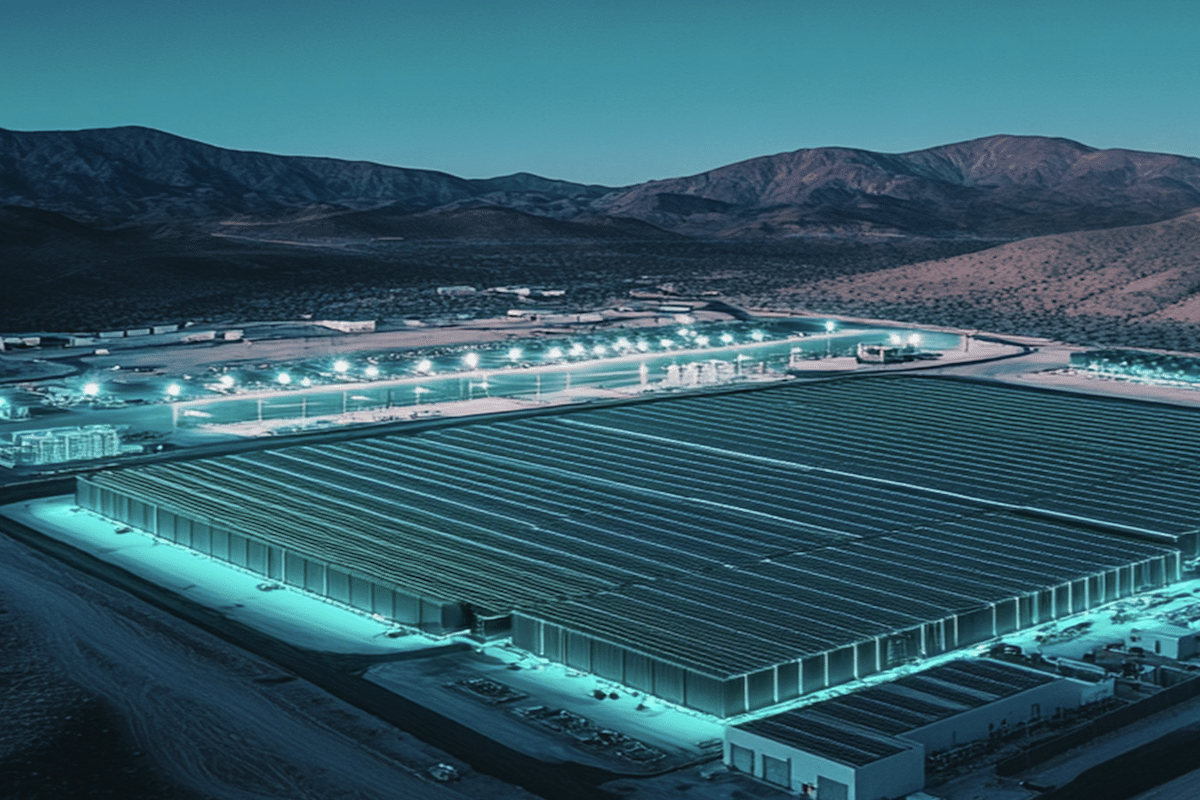
OpenAI said it will fully cover the energy costs associated with its rapidly expanding AI data center footprint as concerns mount over the impact of large-scale data centers on regional power grids.
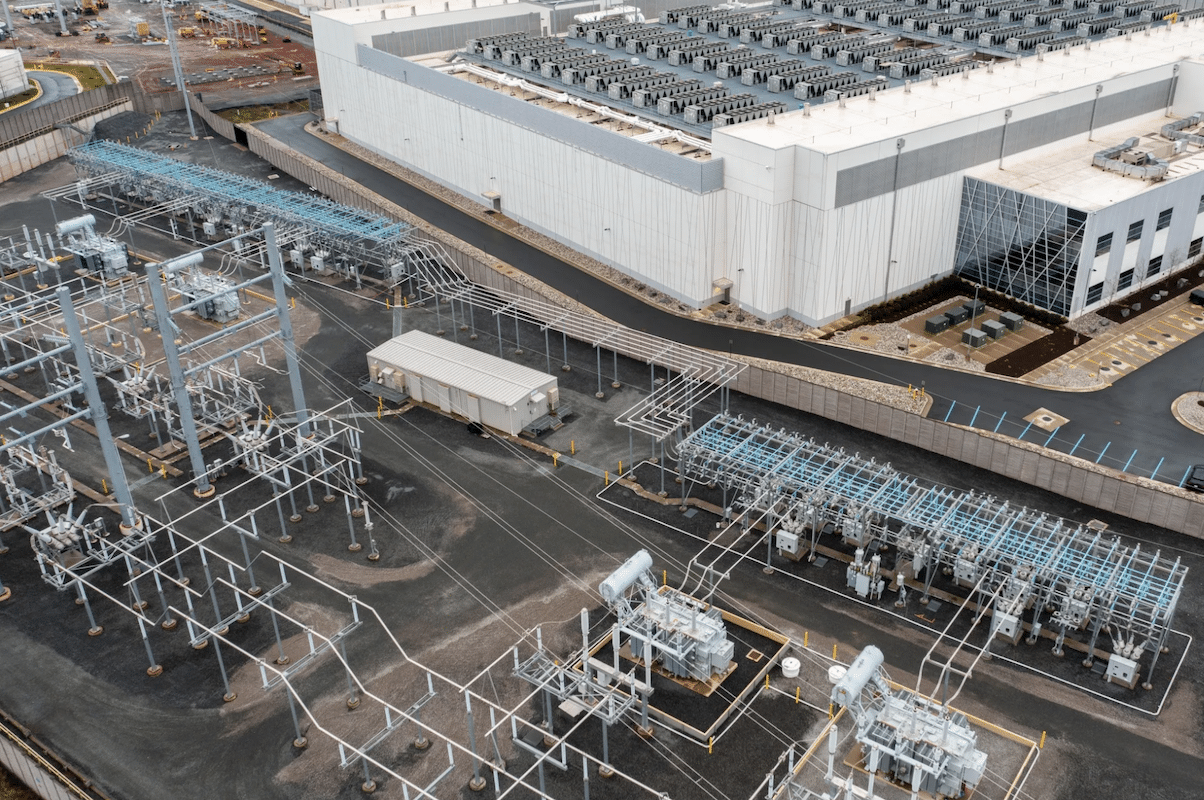
In a blog post published Tuesday, OpenAI said all of its planned “Stargate” AI campuses will be required to “pay their own way” on energy, either by funding new generation, transmission and storage infrastructure or by covering the incremental grid upgrades their facilities require.

The commitment comes as utilities and regulators across the United States grapple with surging electricity demand driven by AI, cloud computing and data center development, with consumer advocates warning that residential and small-business customers could be left to absorb higher power bills.
OpenAI pledged that its operations will not drive up electricity prices for local residents and said its approach will vary by location, reflecting local grid conditions and regulatory structures. Measures could include dedicated power supplies fully financed by the project, special electricity rates that isolate infrastructure costs from other customers, and participation in demand-response programs that allow AI campuses to curtail consumption during periods of grid stress.
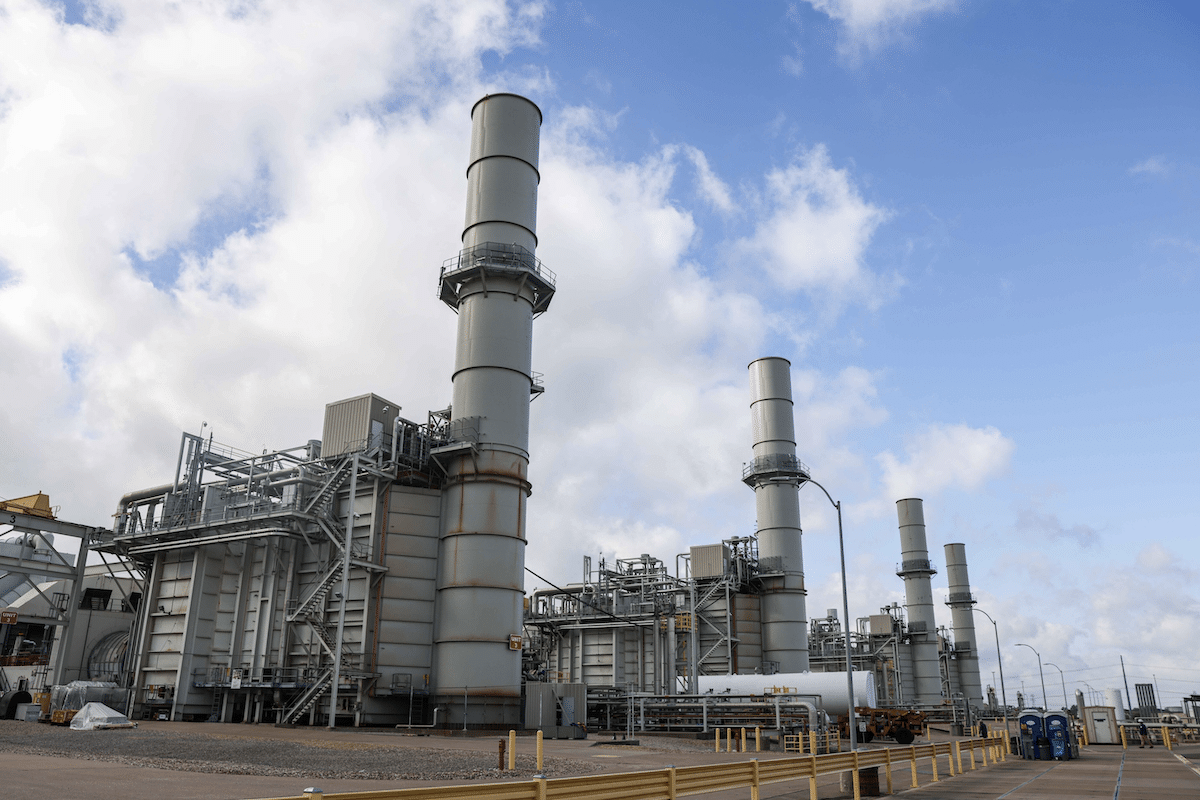
The company said it is already applying the model at several sites. In Wisconsin, partners Oracle and Vantage are working with WEC Energy Group to develop new solar, battery storage and other capacity under a dedicated rate designed to shield existing customers from higher costs. In Michigan, OpenAI’s partners are financing battery storage additions alongside existing resources provided by DTE Energy. In Texas, SB Energy plans to build and fund new generation and storage to supply most of the power for a Stargate campus under development in Milam County.
OpenAI announced the Stargate initiative in early 2025 with a goal of building 10 gigawatts of U.S. AI infrastructure by 2029. The company said it is already more than halfway to that target in planned capacity, with its first site in Abilene, Texas, already operational and additional campuses under development across several states.
The pledge closely mirrors a recent commitment by Microsoft, one of OpenAI’s key partners and infrastructure providers. Microsoft last week said it would ask utilities and regulators to set power rates for its AI data centers that fully cover the cost of new generation, transmission and grid upgrades, rather than spreading those expenses across residential customers.
Microsoft framed its move as a response to growing political and community pushback against hyperscale data centers, warning that long-term AI growth depends on avoiding local opposition tied to energy and water use.
OpenAI echoed that sentiment, saying each Stargate campus will have a locally tailored community plan shaped by input from residents and local officials. Beyond energy, the company highlighted efforts to limit water use through closed-loop and low-water cooling systems, as well as investments in workforce development through planned “OpenAI Academies” in host communities.
“As demand for AI infrastructure grows, being a good neighbor is not optional,” the company said, adding that its ability to pursue its mission depends on maintaining public trust in the communities that host its facilities.