New York Weighs Data Center Energy Charges as AI Strains the Grid
Kathy Hochul, the governor of New York, on Tuesday outlined a plan that would require data centers to pay more for electricity or supply their own power, as the state moves to shield households and small businesses from rising energy costs tied to the rapid growth of AI computing.
The proposal, unveiled as part of Hochul’s 2026 State of the State agenda, would give regulators new authority to ensure that large data centers bear the full cost of the strain they place on New York’s electric grid, rather than shifting those costs onto other ratepayers.

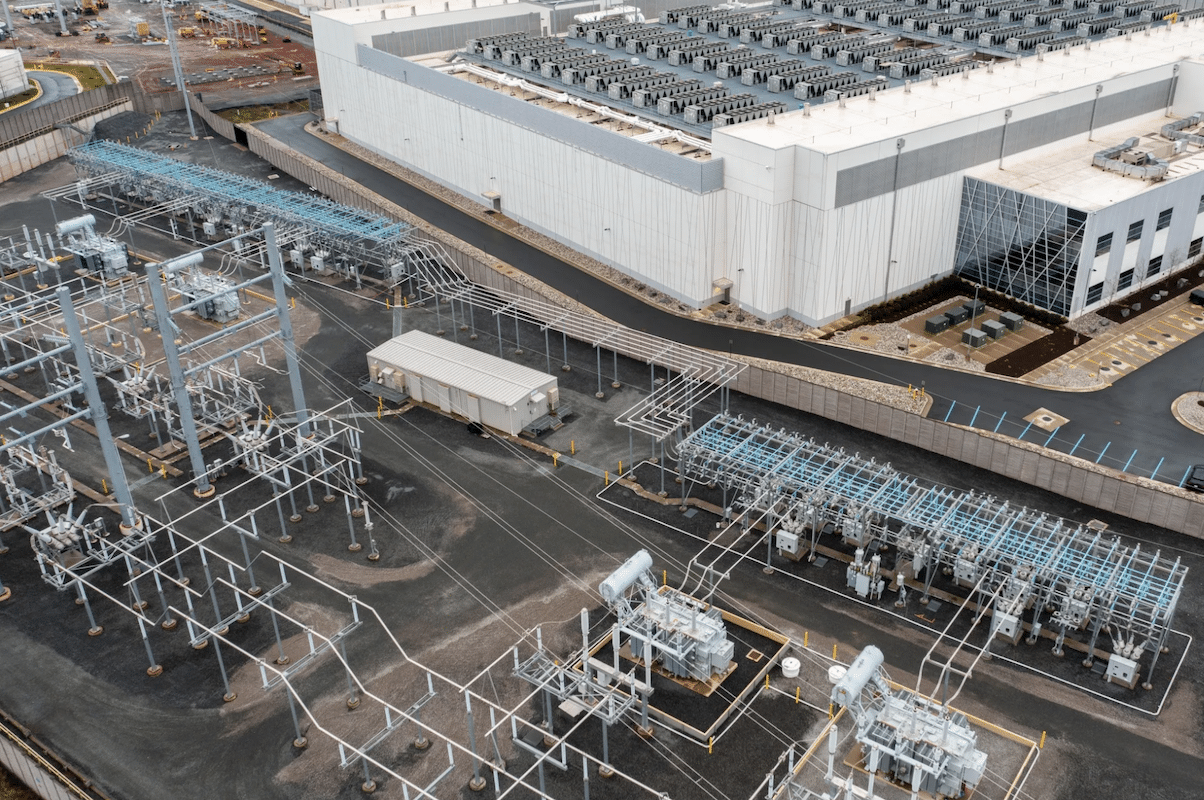
State officials argue that data centers—particularly those supporting AI and high-performance computing—consume massive amounts of electricity while creating relatively few local jobs, a combination that has raised concerns as power demand accelerates statewide. Under the plan, projects driving “exceptional demand” would be required to cover the cost of grid upgrades they trigger or secure dedicated energy supplies.
The data-center measures are part of a broader package of utility reforms aimed at containing electricity bills, including tighter oversight of utility spending, new limits on rate cases and requirements tying executive compensation to affordability metrics. Hochul said the proposals are intended to protect consumers while maintaining grid reliability.
The push comes amid a broader surge in AI-related electricity demand across the U.S. Training and operating large AI models requires clusters of energy-intensive processors running around the clock, prompting data-center developers to seek large blocks of power and, in some cases, reshaping regional grid planning.
New York also plans to launch an initiative called Energize NY Development to streamline grid interconnections for large users while addressing so-called “phantom loads,” or projects that reserve capacity without ultimately materializing. Regulators say those reservations can inflate planning costs that would otherwise be passed on to ratepayers.
Alongside the new requirements, Hochul’s agenda calls for expanding clean and firm power supply, including advanced nuclear generation and greater use of demand-response and grid-flexibility programs, as the state prepares for sustained growth in electricity consumption driven by AI and electrification.
The proposals would require legislative approval and follow-on action by the Public Service Commission, setting up debate over how New York balances economic development tied to data centers with affordability and grid reliability.