Microsoft Vows to Pay Higher Power Rates to Shield Locals From AI Data Center Costs
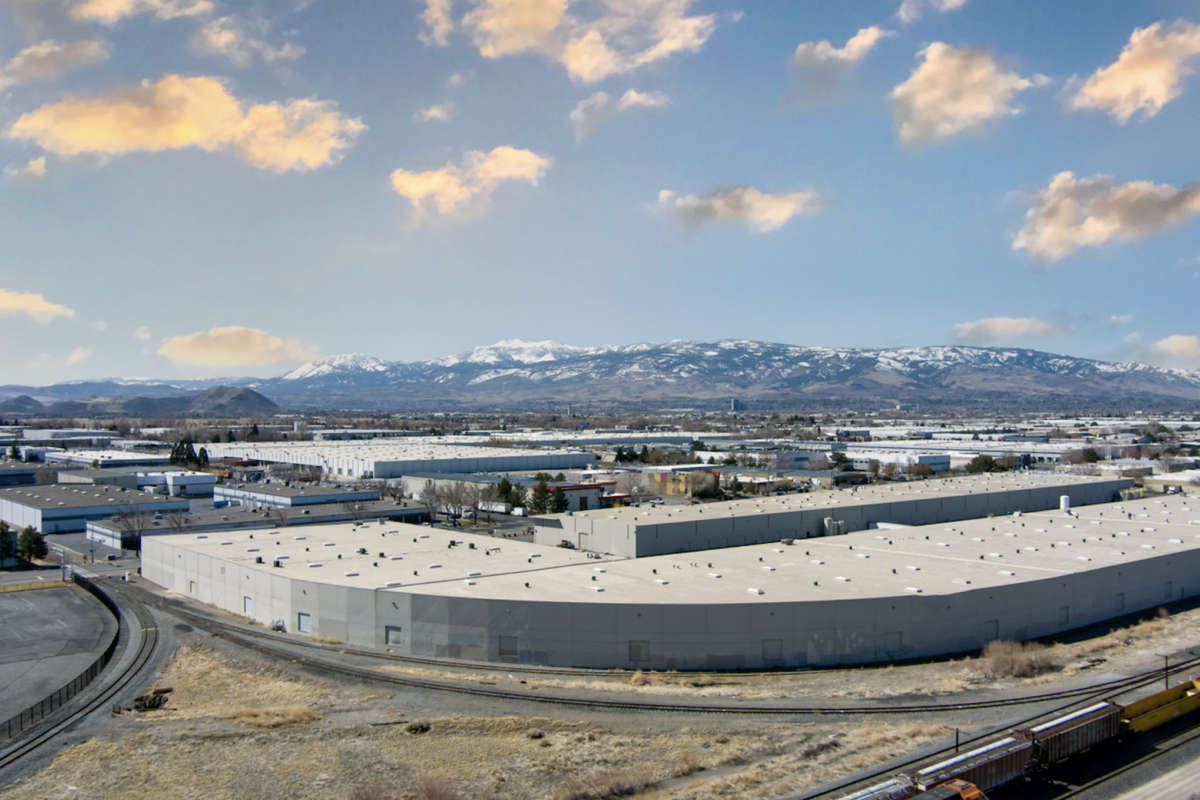
Microsoft vows to pay electricity rates high enough to ensure that local residents do not see higher power bills as a result of large-scale AI infrastructure growth.
The company announced an initiative dubbed “Community-First AI Infrastructure” on Tuesday amid rising political and community scrutiny over the energy and water demands of hyperscale data centers, as utilities across the country struggle to meet growing electricity demand.

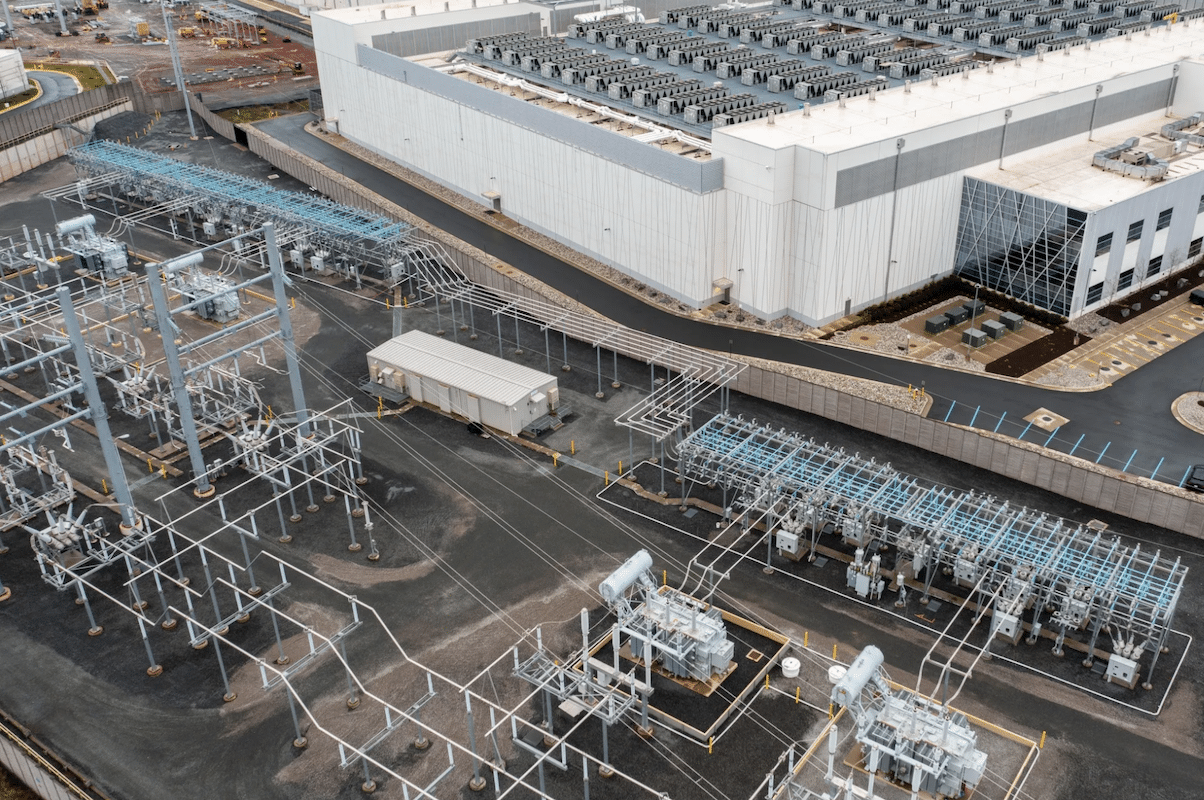
Microsoft said it will ask utilities and state regulators to set power rates for its data centers that fully cover the cost of new generation, transmission, and grid upgrades needed to serve those facilities, rather than spreading those costs across residential customers.
“Especially when tech companies are so profitable, it’s both unfair and politically unrealistic to ask the public to shoulder added electricity costs for AI,” the company said in its announcement, adding that long-term growth in AI computing depends on avoiding backlash from communities hosting data centers.
The pledge is significant as AI-driven power demand accelerates nationwide. The International Energy Agency estimates that U.S. data center electricity consumption could more than triple by 2035, rising from about 200 terawatt-hours today to roughly 640 terawatt-hours annually. That growth is colliding with an aging U.S. transmission network, equipment shortages, and lengthy permitting timelines for new power lines.
Microsoft said its approach would include negotiating special rate structures with utilities and regulators to ensure that infrastructure costs tied to data centers are not passed on to households. The company pointed to Wyoming, where it worked with Black Hills Energy on a utility arrangement designed to insulate local ratepayers, and Wisconsin, where “very large customers” such as data centers are being charged rates that reflect their full system costs.
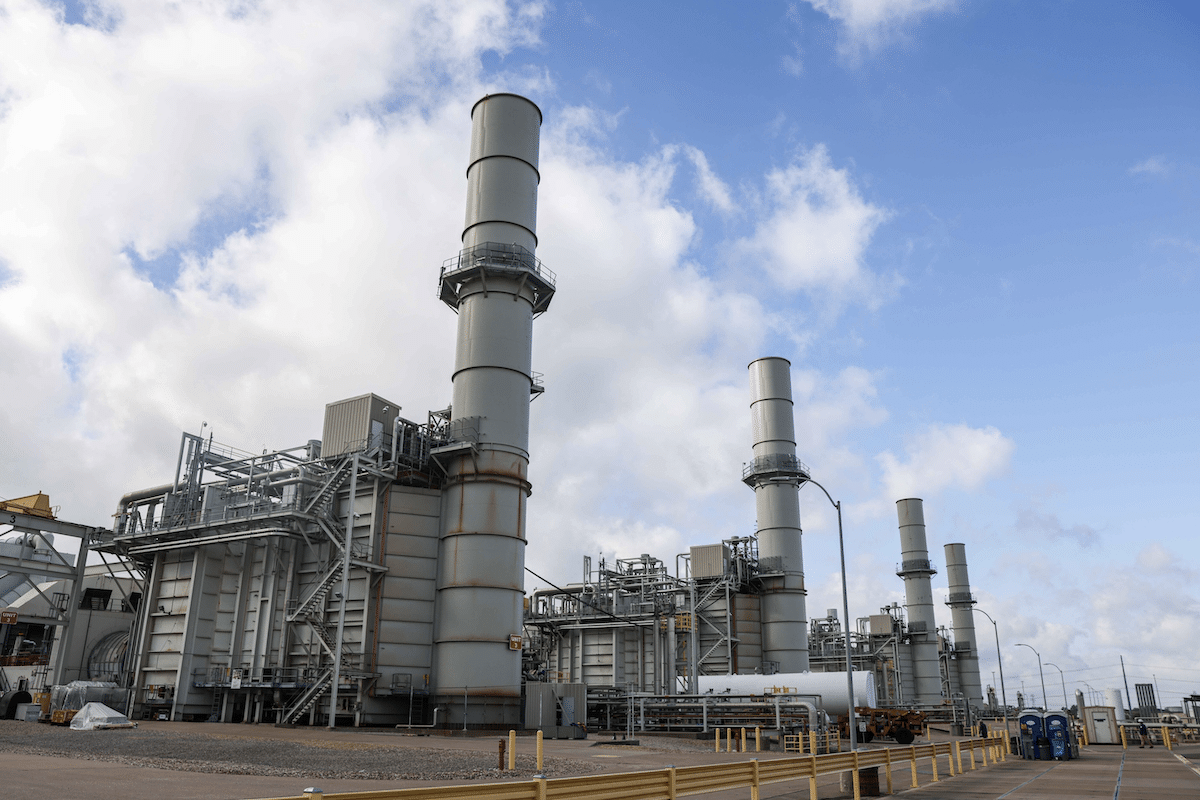
Beyond pricing, Microsoft said it would continue contracting for new power generation and funding grid upgrades when its facilities require additional transmission or substation capacity. In the Midwest, the company said it has contracted for 7.9 gigawatts of new electricity supply within the footprint of the Midcontinent Independent System Operator, more than double its current regional consumption.
The initiative also addresses water use, another growing flashpoint in data center development. Microsoft said it will aim to replenish more water than its facilities consume and continue shifting toward cooling designs that reduce or eliminate the need for potable water. New data center designs using closed-loop liquid cooling systems have already been deployed in states such as Wisconsin and Georgia, according to the company.
In addition, Microsoft pledged to fully fund water and wastewater infrastructure upgrades needed to support its facilities, citing projects such as more than $25 million in water and sewer improvements near its data center campus in Leesburg, Virginia.
The broader framework includes commitments to local job creation, workforce training, and community investment. Microsoft said new data centers typically create thousands of construction jobs and hundreds of permanent operations roles, and it plans to expand partnerships with trade unions, community colleges, and vocational programs to train local workers. The company also said it would pay full local property taxes rather than seeking abatements, positioning data centers as long-term contributors to municipal budgets.
Microsoft framed the initiative as a response to lessons from past infrastructure buildouts in the U.S., arguing that large private investments only succeed when communities believe the benefits outweigh the costs. The company said it plans to roll out similar community-focused frameworks in other countries after launching the U.S. effort in Washington, D.C., at the start of 2026.
The announcement lands as states and utilities grapple with how to balance economic development tied to AI and cloud computing against grid reliability, water availability, and rising household energy costs, with New York emerging as one of the most closely watched test cases for how aggressively regulators may move to shield ratepayers from data center-driven demand growth.