
Bitcoin Miners Unplug 110+ EH/s to Ease Grid Strain During Arctic Blast
Bitcoin mining pools serving North American operators have seen a sharp drop in hashrate as an Arctic blast sweeps across the U.S., prompting power curtailment aimed at easing strain on regional grids.
Real-time data from Mining Pool Stats shows that hashrate connected to FoundryUSA fell from a peak of nearly 340 EH/s on Friday to about 242 EH/s at the time of writing. Luxor, another major North American pool, recorded a similar decline, with hashrate dropping from roughly 45 EH/s to about 26 EH/s over the same period.

Combined, the two pools have seen more than 110 EH/s of computing power taken offline, reflecting widespread curtailment among miners responding to extreme cold and elevated power demand. Such reductions are typically part of the so-called demand response programs, allowing miners to sell electricity back to the grid or avoid operating during peak pricing periods.
The hashrate pullback coincided with a severe Arctic air mass pushing deep into the central and eastern U.S., bringing subfreezing temperatures, snow and ice to regions unaccustomed to sustained winter extremes. Grid operators across several states issued conservation alerts as heating demand surged.
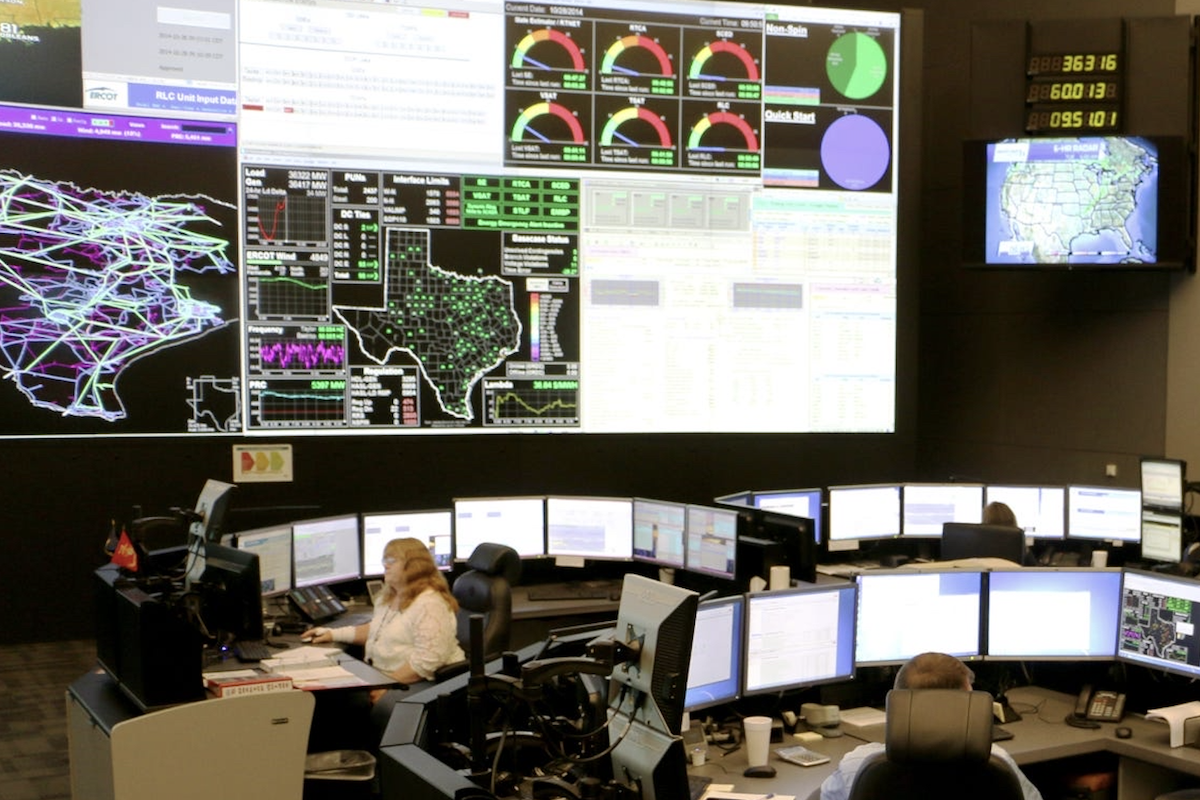
In Texas, the state’s grid operator said conditions remained stable despite the cold. ERCOT said on Friday that the grid had sufficient generation capacity to meet winter demand, a contrast to February 2021, when Winter Storm Uri triggered widespread outages and prolonged blackouts.
Since then, Texas has added substantial large-load capacity, much of it tied to bitcoin mining and data center operations. Unlike traditional industrial loads, many bitcoin miners participate in demand response programs that allow them to rapidly curtail consumption during periods of grid stress.