Cipher Appoints Lee Bratcher, Drew Armstrong to Lead Policy and HPC Strategy
Cipher has appointed Lee Bratcher as head of policy and government affairs and Drew Armstrong as head of strategic initiatives as the bitcoin miner expands its regulatory and HPC efforts.
Cipher said in a release on Tuesday that Bratcher joins Cipher from the Texas Blockchain Council, where he served as founder and president for six years and helped shape Texas’s regulatory approach to digital assets, bitcoin mining and large-scale energy users.

On Monday, the council announced that Bratcher is stepping down from his leadership role to pursue another professional opportunity, while remaining on the organization’s board of directors. The trade group named Texas state Rep. Giovanni Capriglione as its new president and promoted Jessi Goostree to executive director.
Armstrong was appointed head of strategic initiatives and will focus on projects tied to the company’s expansion into AI and HPC workloads. He most recently served as president, chief operating officer and chairman of Cathedra Bitcoin. Before that, Armstrong helped build Galaxy Digital’s bitcoin mining business, including its equipment leasing operations, and earlier worked at Barclays on securitized products, including data-center-backed securities. He will report to Cipher co-president Patrick Kelly.
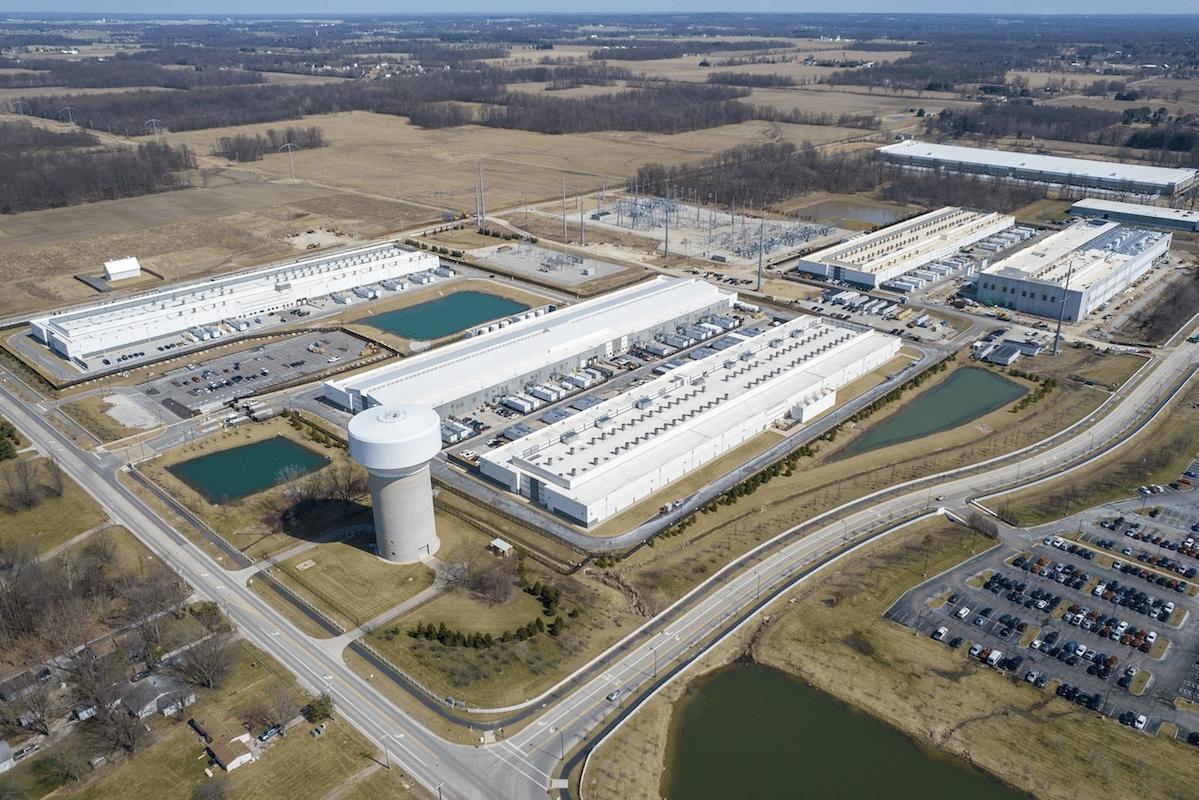
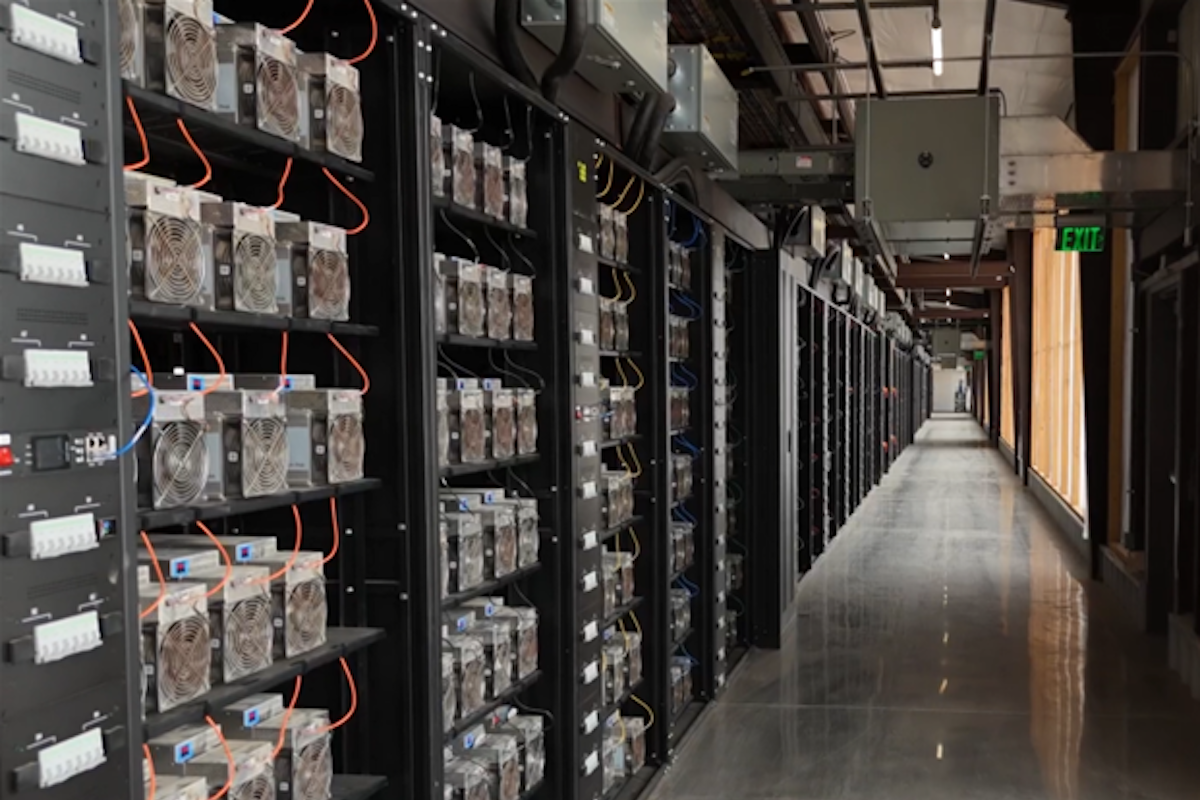
Cipher, which operates large-scale bitcoin mining facilities and is increasingly positioning itself as a power-first data center developer, has been pursuing opportunities beyond mining as demand for AI-related compute infrastructure accelerates across U.S. power markets.
The appointments follow Cipher’s recent move into third-party HPC development through a deal with Fluidstack, an AI-focused cloud and compute platform. Under that agreement, Cipher is developing data center capacity designed to support AI workloads, marking a significant step in its strategy to repurpose power-secured mining sites for non-bitcoin compute demand. The partnership reflects a broader trend among miners seeking to diversify revenue streams as AI-driven data center demand accelerates.